
Unlocking Student Learning: Surface, Deep, and Transfer Learning in K-12 Instruction
Every educator wants their students to not just learn but truly understand, connect, and apply knowledge in meaningful ways. But too often, instruction gets stuck at the surface level—where students memorize facts but struggle to use them in new or relevant situations. In fact, research suggests that 90% of classroom instruction remains at the surface level, limiting students’ ability to engage in deep learning or transfer learning, where they apply knowledge to real-world problems and tasks.
To close this gap, teachers, instructional coaches, and school leaders must intentionally design learning experiences that guide students through all three phases of learning, which are:
- Surface Learning: Acquiring foundational knowledge and skills.
- Deep Learning: Making connections, analyzing, and synthesizing information.
- Transfer Learning: Applying knowledge in new and complex ways.
At Advanced Collaboration Solutions, we specialize in helping schools implement high-impact instructional strategies that move learning beyond memorization to mastery. In this post, we will:
- Explore why understanding surface, deep, and transfer learning is critical
- Provide actionable strategies for teachers and instructional leaders
- Share a proven framework for driving rigorous instruction
By the end, you will have strategies for designing lessons, coaching teachers, and evaluating instruction through the lens of deeper learning, thereby ensuring students develop the skills they need to succeed in school and beyond.
Why Educators Must Consider Surface, Deep, and Transfer Learning
Too often, lesson planning focuses merely on task completion without fully considering how students will progress from basic understanding to true mastery. To develop confident, adaptable learners, educators must align their instruction with the brain’s natural learning process—moving students through surface, deep, and transfer learning.
Here’s why this matters:
- Surface learning is necessary but not enough. Students need foundational knowledge before they can analyze, evaluate, or apply it. However, instruction often lingers too long at this stage, leading to shallow or fragmented comprehension.
- Deep learning builds connections and improves academic achievement. When students synthesize ideas, compare concepts, and engage in structured discussion, they move beyond memorization and develop real understanding. Additionally, students in classrooms that facilitate deeper learning demonstrate higher levels of engagement, motivation to learn, self-efficacy, and collaboration skills than their peers.
- Transfer learning prepares students for the real world. The ultimate goal of education is to help students apply knowledge in new and relevant situations—whether in advanced coursework, careers, or daily life. Without transfer, learning remains siloed and ineffective.
For classroom teachers and instructional leaders alike, the challenge is clear: How can we ensure students progress through all three learning phases? The next sections will break down practical strategies for integrating surface, deep, and transfer learning into lesson design and instructional coaching.
Implementing Surface, Deep, and Transfer Learning in Instruction and Coaching
By strategically integrating surface, deep, and transfer learning, educators can ensure students retain, connect, and apply knowledge in meaningful ways.
To move students beyond memorization and toward real-world application, educators must design lessons that intentionally activate all three phases of learning. Below, we’ve lifted practical strategies for integrating surface, deep, and transfer learning from our Rigor Matrix, a helpful tool that matches skills, instructional strategies, and the three phases of learning so educators and coaches can make decisions about optimal learning strategies for their students.
Surface Learning: Building Knowledge and Making Connections
What It Is:
Surface learning focuses on foundational knowledge and skills—facts, definitions, and basic procedures. While necessary, it should serve as a stepping stone to deeper understanding.
Strategies to Use:
- Outlining and Note-Taking: Helps students organize information and track key ideas.
- Summarizing: Reinforces comprehension by requiring students to restate key points concisely.
- Vocabulary Instruction: Expands students’ ability to interpret and apply academic language.
How to Implement:
- Use graphic organizers to help students visualize concepts.
- Scaffold note-taking strategies by modeling outlines, and then gradually removing supports.
- Apply retrieval practice techniques (e.g., low-stakes quizzes, summarization prompts) to strengthen recall.
Deep Learning: Making Meaning
What It Is:
Deep learning occurs when students analyze, question, and make connections between ideas. It requires critical thinking and interaction with content.
Strategies to Use:
- Metacognition: Encourages students to reflect on their learning process.
- Class Discussions: Builds reasoning skills through structured dialogue.
- Concept Mapping: Helps students visualize relationships between ideas.
How to Implement:
- Use think-aloud strategies to model metacognitive reflection.
- Incorporate structured discussion formats like Think-Pair-Share or Socratic Seminars to encourage student discourse.
- Have students create concept maps or flowcharts to show connections between lessons and real-world applications.
Transfer Learning: Applying Understanding
What It Is:
Transfer learning happens when students apply knowledge to new contexts, problems, or disciplines. This is where learning becomes practical, relevant, and lasting.
Strategies to Use:
- Identifying Similarities and Differences: Helps students connect new and prior knowledge.
- Peer Tutoring: Encourages students to explain and apply concepts collaboratively.
- Problem-Solving Teaching: Engages students in real-world challenges.
How to Implement:
- Use case studies, debates, and project-based learning to encourage application of knowledge.
- Encourage cross-disciplinary connections, where students apply concepts from multiple subjects to a single problem.
- Provide structured peer feedback to help students refine their reasoning and communication skills.
Instructional Leadership: Coaching Teachers to Implement Surface, Deep, and Transfer Learning
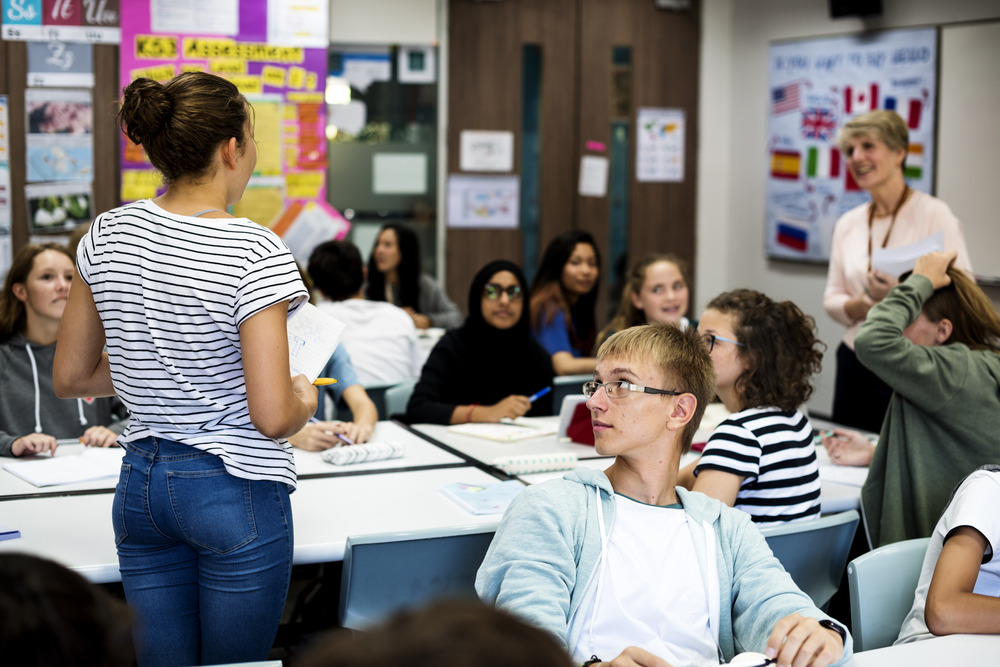
By incorporating surface, deep, and transfer learning into instructional coaching and leadership, administrators can ensure higher student engagement, better retention, and stronger academic outcomes.
For instructional coaches, school leaders, and administrators, supporting teachers in moving beyond surface learning is essential for improving student outcomes. Observations, feedback, and professional development should focus on helping educators better integrate deep and transfer learning into their instruction. Here’s how:
Observation and Feedback Strategies
- Identify instructional depth: During classroom observations, assess whether students are recalling, making connections, or applying knowledge in new ways. Use a simple rubric to classify lesson activities as surface, deep, or transfer learning.
- Use reflective questioning: After an observation, ask teachers:
- How did students demonstrate deep understanding?
- What strategies moved learning beyond memorization?
- How could this lesson better support transfer learning?
- Analyze student engagement: Are students actively discussing, questioning, and applying concepts? Lessons should include opportunities for metacognition, problem-solving, and peer collaboration.
Professional Development and Coaching
- Model instructional strategies: Lead PD sessions that immerse teachers in surface, deep, and transfer learning strategies, allowing them to experience the process firsthand. “Pull back the curtain” and label these strategies so PD attendees can transfer into their classrooms.
- Facilitate collaborative lesson design: In PLCs, have teachers map out their units to ensure a balance of surface, deep, and transfer learning experiences. Teaching teams can swap unit and lesson plans to provide each other feedback and ideas about how to move students through the three phases of learning.
- Provide practical tools: Classroom teachers look to their instructional leaders to share just-in-time resources and tools to support their work with students. Share resources like the Rigor Matrix or Achievement Teams Instructional Strategy Flip Book to help educators implement research-based strategies effectively.
Evaluating and Supporting Rigorous Instruction
- Use student work as evidence: Encourage teachers to examine student responses—are they simply recalling facts, or are they making connections and applying knowledge?
- Encourage gradual release of responsibility: Teachers should scaffold learning, gradually shifting cognitive work from teacher-led instruction to student-driven inquiry.
- Integrate strategic questioning: Provide teachers with question stems that prompt higher-order thinking, ensuring students engage in deep analysis and application.
Strengthen Instruction and Coaching
Strategically integrating surface, deep, and transfer learning isn’t just a best practice—it’s essential for helping students move beyond memorization to real understanding and application. By intentionally designing lessons and instructional coaching around these phases, educators and leaders can ensure students are engaged, challenged, and prepared for future learning.
For teachers, this means structuring lessons so students first build foundational knowledge, then make meaningful connections, and ultimately apply their learning in new contexts. For instructional leaders, it means coaching teachers to evaluate their own practice and providing the tools needed to support deeper learning.
To make this shift, schools need clear frameworks and actionable strategies. Dig into our Rigor Matrix full of high-impact instructional practices that support all phases of learning. Whether refining lesson design, enhancing instructional coaching, or strengthening professional development, aligning with these principles ensures that students don’t just learn—they learn how to think, solve problems, and transfer knowledge into the real world.